top of page


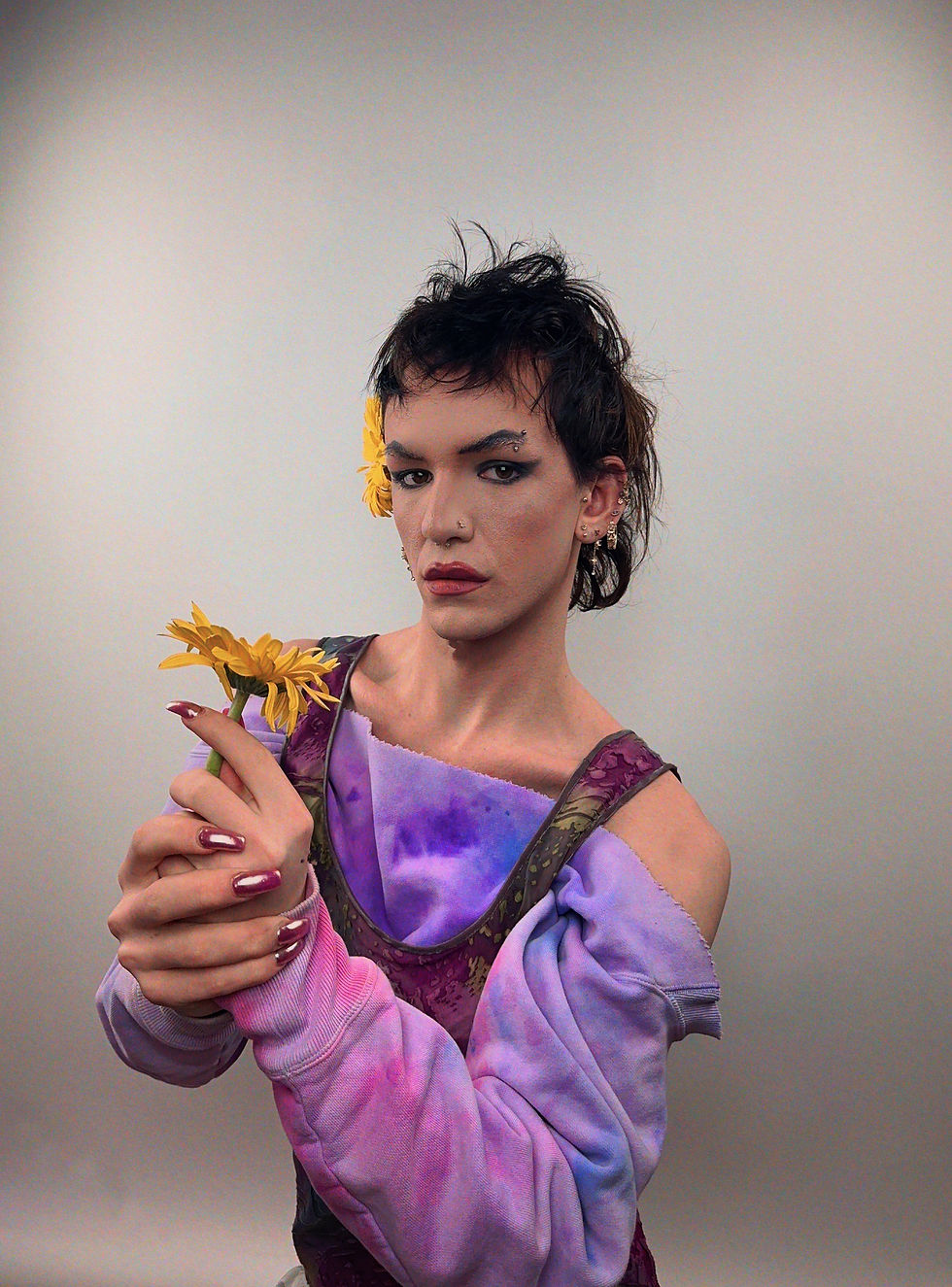
The 70’s. Whether you relate that time period to glam and disco or the hippy movement, suffice it to say, the era brought about many iconic and quintessential trends, some of which we are seeing come back today. Celebrities such as Stevie Nicks, Cher, Goldie Hawn, and Farrah Fawcett are just a few of the style icons of the decade, and they reflect the wide variety of fashions that were popular in the decade. On one side of style there was glamor, which was characterized by the fact that it took much inspiration from earlier decades, most specifically the movie star style of the 1940s. On the other side was the much more different hippy style, which employed a much more earthy, natural look.


When recalling the 70’s, one of the first things that stick out in memory are bell bottom jeans. The pants have their roots in the early 1900s and were commonly worn by navy officers for their ability to be easily rolled up. However, the iconic garment rose to fame when Sonny and Cher donned them on television, kickstarting the trend. More commonly made out of denim, but sometimes crafted with brightly colored and patterned cottons, the pants flare out from the knee, creating an exciting, fun-loving silhouette. Often paired with different styles of boots and shoes, such as Chelsea boots, Clogs, and many other platformed shoes.


Because of the adoration of the wide-legged and bellbottom silhouette, platform shoes were all the rage. The platform would obviously give height to the wearer, which was always welcome, however, they also gave room for the bellbottom’s hem to move with the wearer, swinging back and forth as they walked and danced. They were commonly worn by glam rock musicians, most notably David Bowie. The shoes were capable of being more eye-catching but were also more comfortable to wear and perform in. Of course, these shoes were more popular on the dance floor, there were more neutral options for day to day life. Platformed oxfords, sneakers, and sandals, usually made with soles of cork, wood or synthetic materials allowed for simpler options for normal everyday wear.


Another notable piece of fashion within this time is the use of oversized collars on garments. Of course, shirt collars go back many, many centuries, with a multitude of different sizes and styles. Collared shirts, dresses, and jumpsuits were commonplace, on both men and woman. A common style of collar was the Barrymore collar, named after the actor John Barrymore, who was commonly seen wearing it. The common silhouette of the decade could be characterized by larger, broad shoulders that slim downwards. Oversized collars helped to complete that look and were able to be placed on almost any garment.


Frankly, there are too many styles and trends to simply pick one to reflect the entirety of the 1970s. Be it the fitted t-shirts and pants, or the loose and flowy maxi dresses, neither are wrong. What makes the decade so special is that there are so many possibilities when deciding how to encapsulate the decade in a single outfit.


Written by Gabbi Feaster

Photography By Yusef Shah

Models: Federica Finocchiaro, Izzy Reddy


“Soul Train, the hippest trip in America. 60 non-stop minutes across the tracks of your mind, into the exciting world of soul” — these words were heard across the nation for the first time in 1971, when Soul Train, the longest-running nationally syndicated program in American television history, premiered. In the 1950s and 60s, American Bandstand, a television music and dance performance program, was sweeping the nation. The notion of television itself was just just becoming available to the average American family, with the number of television sets purchased in the country increasing from 6,000 in 1946 to almost 12 million in 1951. During the 1950s and 60s, the biggest civil rights movement in the history of our nation was also occurring; Black Americans were fighting to end segregation and collect reparations from times of slavery. A young man from Chicago by the name of Don Cornelius was heavily involved in this movement, not knowing the future impact that he himself would have on Black culture in America and all around the world.


American Bandstand originally started out as a local Philadelphia television program known as Bandstand, showing “musical films”, which can be considered the ancestors of the music videos we’re familiar with today. The original host, Bob Horn, was dissatisfied with this version of the program, and brought up the concept of turning the show into a dance program where teenagers would be invited to dance on stage to popular records. The rest of American Bandstand’s upcomings are inconsequential to the story of Soul Train, except for one fact; while American Bandstand preached inclusion and progressiveness — Black performers and background dancers were nonexistent or unseen throughout the first 20+ years of production.


Political activist and up-and-coming television show host, Don Cornelius noticed this, not just within American Bandstand, but with American television in general. He was proud of his skin color and his heritage — and of “the culture African Americans had created for themselves” and sustained even through hardship and suffering. He wanted to show mainstream America what Black joy looked like, he wanted to become a cultural beacon for young Black kids who saw little to no positive representation of themselves in media, and he wanted to bring the magic of authentic soul, R&B, jazz, blues, funk, and disco music to American television and radio. By the end of 1970, he had created, hosted, recorded, and aired the first episode of his very own local music and dance performance television show — Soul Train. After going national within the following year, Soul Train very quickly became an outlet and inspiration for Black Americans; spotlighting and elevating music, dance, fashion, culture, and activism with a specific focus on Black communities.


Come join us on a Soul Train journey, exploring three of the most popular Soul Train performances from the 70s and how the show began to equalize and desegregate music performance and introduce Black culture to mainstream America in the 1970s.


October 7, 1971


On this date, Soul Train aired its first ever nationally syndicated episode in history. Artists that performed on this episode included Gladys Knight & the Pips performing “Friendship Train” and “I Don’t Wanna Do Wrong”, Eddie Kendricks (co-founder of the Temptations) performing “It’s So Hard for Me to Say Goodbye” and “I Did It All For You”, Honey Cone performing “Stick-Up” and “Want Ads”, and Bobby Hutton playing “You’re My Only Reason”.


The Jackson 5


On a November day in 1973, The Jackson 5 performed “Dancing Machine”, “Don’t Say Goodbye Again”, and “Get It Together”. Jermaine Jackson performed “You’re In Good Hands” and Michael Jackson performed “With A Child’s Heart” and “Morning Glow” on Soul Train. During this time, “Dancing Machine” was charting #1 on the R&B charts and #2 on the pop charts. This achievement was highly valued at the time; an all-Black soul/disco group was topping the mainstream charts. In this episode, Michael Jackson famously brought “the robot” dance into the world and inspired a dance craze throughout all of America.


The Super Brother


During this performance, James Brown performed 10 of his most popular hits, most famously including “Get Up (I Feel Like A) Sex Machine” and “Say It Loud I’m Black and Proud”. James Brown was best known as one of original progenitors of funk music, as well as a dedicated social and political activist throughout the civil rights movement and continuing on into his career. People consider this performance on February 10, 1973, one of his best; he performed the entire 60-minute set by himself. Most artists or bands performing on Soul Train lip synced to their songs during the live performance, but a few artists consistently showed off their true talent by singing live; James Brown being one of them. From his over-exaggerated fashion sense to his jaw-dropping dance moves, it is no surprise that James Brown is called the “godfather of soul”. (Fun fact: Prince was inspired to become a performer because of James Brown!)


Check out this curated playlist with a full list of songs from the 8 most popular Soul Train performances of the 70s:

If you’re interested in listening to more 70s music and learning more about Soul Train and the music culture of the 1970s, tune into my radio show with WPUB radio, That 70s Show, every Wednesday from noon-1pm!


Written by Eli Butler


There's no hesitation in saying that past fashion is trending now. Has the modern world run out of originality? With that, fast fashion brands are butchering what exactly past fashion was. We’ve seen brands like Shein, Fashion Nova, Nasty Gal, etc ruin then paint this tainted image of seventies fashion. They’ve taken away the thought behind the entirety of it all.


The seventies was an exploration and expression in fashion, women found themselves in styles of bell bottom pants, frayed jeans, midi skirts, maxi dresses, tie-dye, peasant blouses, prairie dresses, and ponchos threaded to the disco world. It was labeled the “polyester decade” because of its balanced sense between hippie and disco.


The seventies was when women first began dressing with free will, their wardrobes were not as inflicted by designers in NYC or Paris. This was so nonchalant and executed in a way of ease that had a beautiful meaning and effect. Tie-dye was seen in protests which became a symbol of freedom and courage, it was an easy outlet of creativity that in which today can seem tacky. Now with the empires of fast fashion brands, we are knocking off old culture in cheap ways.


Thrift stores hold any and all potential to attain this sense of freedom and independence that cultivated seventies fashion. It takes time and dedication to find such pieces but it’s attainable. Spots in Brooklyn like L train, Beacon’s closest, and Other Peoples’ Clothes and great places to start. There’s also a huge market online; like Poshmark or Facebook marketplace. In the long run, the quality of clothes back then is better than the quality of clothes now.


So with the rise of seventies fashion again we should take advantage of this popularity in thrifting and the reselling market online.


Written by Frank McHugh

Photography and Modeling by Frank McHugh

You reached the end! Make an account to get updated when new articles and interviews drop.

bottom of page